
Following the devastating passage of cyclones FYTIA and GEZANI in early 2026, ADRA Madagascar rapidly mobilized its emergency response mechanisms to support affected communities across the country. These two successive disasters, which occurred on January 31 and February 10, caused significant damage, affecting more than 510,000 people and worsening the vulnerability of many regions. In response, the Government of Madagascar declared a national state of emergency and issued an appeal for international solidarity.
In light of the scale of humanitarian needs, ADRA Madagascar activated its National Emergency Management Plan (NEMP), a strategic framework designed to ensure a rapid and coordinated response in times of disaster. This plan includes pre-approved contingency measures tailored to the most common hazards affecting Madagascar, enabling the immediate mobilization of resources from the ADRA network and the Seventh-day Adventist Church.
Based on data from BNGRC, the Seventh-Day Adventist network in the affected areas, and other sources, ADRA chose to intervene in the districts of Vatomandry (Atsinanana region) and Maevatanàna (Betsiboka region). These areas showed both a high level of damage and limited humanitarian coverage.
In Vatomandry, the commune of Tsivangiana was particularly affected by flooding, with several fokontany rendered inaccessible. ADRA prioritized the most affected areas, including the fokontany of Marofody, Tsivangiana, Ambodiaramy, and Ambandrika, while also reaching isolated localities such as Ampasimbe and Antanambao I.
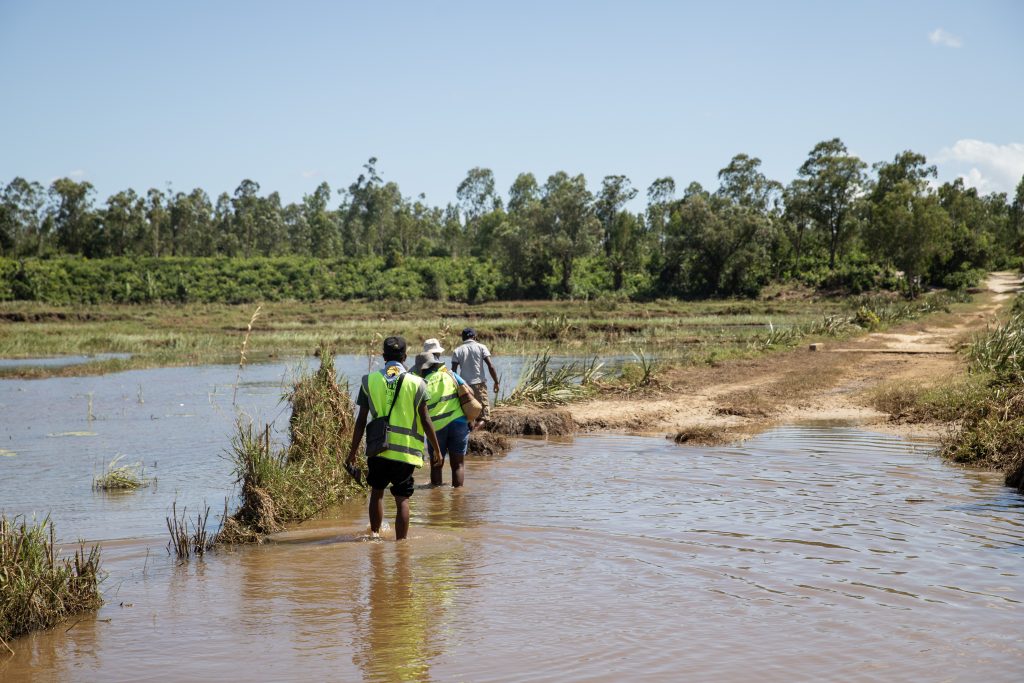
In Maevatanàna, interventions focused on the communes of Maeva I, Beratsimanina, and Tsararano.
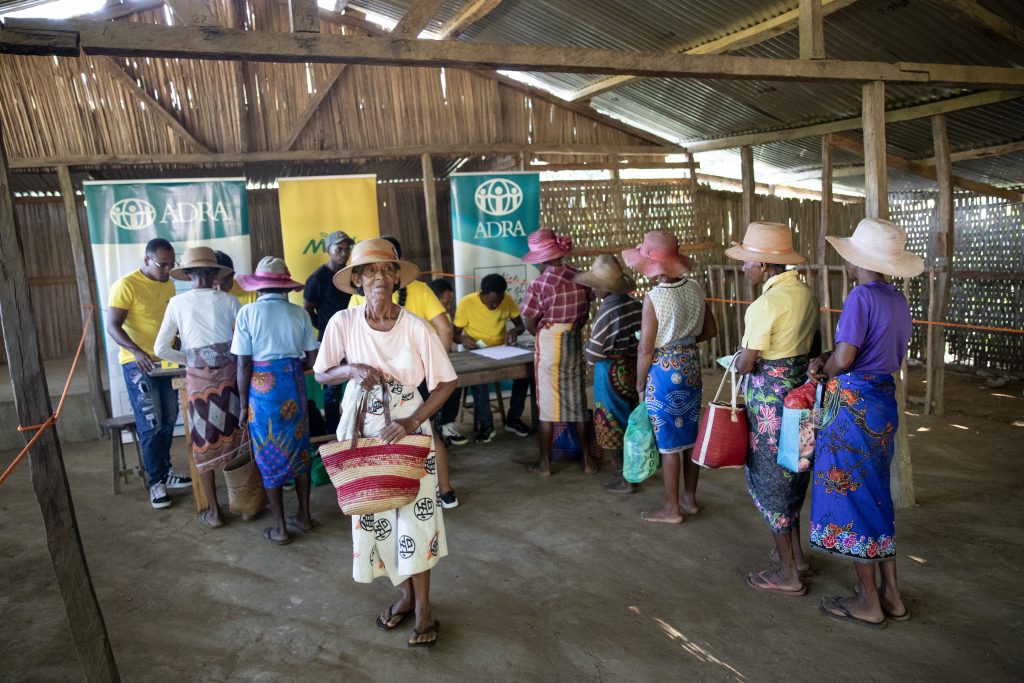
Given the limited accessibility of many areas and the functionality of local markets, ADRA opted for a cash-based assistance approach. This method allows affected households to address their most urgent needs—whether food, shelter, or agricultural recovery—while also supporting the local economy.
Between February and March 2026, ADRA distributed cash assistance to 810 households, including 445 in Vatomandry and 365 in Maevatanàna. Each household received 120,000 Ariary, in line with Sphere humanitarian standards and the NEMP intervention scenario.
The selection of beneficiaries was carried out in close collaboration with local authorities (regional prefects, district chiefs, mayors) and community leaders.
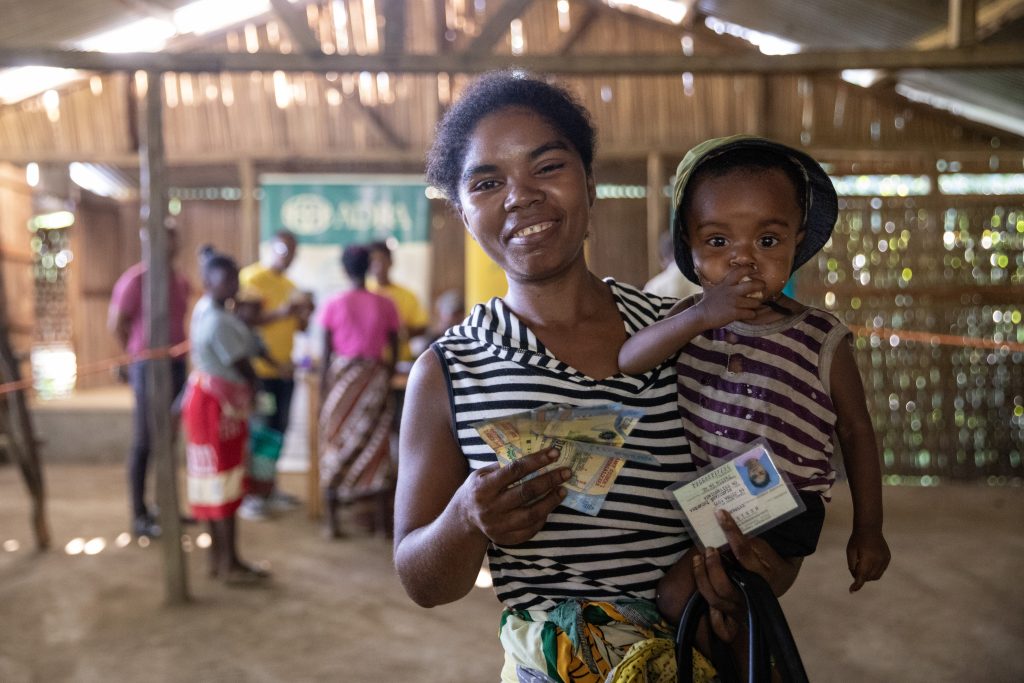
For many families, this assistance marked a new beginning.
Rasoaritine Zita, a 35-year-old single mother living in Ambandrika, in the rural commune of Tsivangiana, recalls the terrifying night when she had to flee with her child as floodwaters rose. Her home and crops were destroyed. Forced to stay with relatives, she now faces significant challenges:
“We need money for many things: to rebuild the house, feed my children, and ensure their schooling. With this money, I will start by buying wood to rebuild my house,” she explains.
To complement the efforts already deployed by ADRA, The Church of Jesus Christ of Latter-day Saints approved food assistance for 650 additional households in the district of Maevatanàna. This contribution covered food supplies as well as their transport to the intervention sites, while the distribution costs were covered by ADRA France, illustrating strong collaboration and solidarity in emergency response.
In total, 1,460 households received emergency assistance in response to Cyclone Fytia, helping them meet their immediate needs during this critical period.